Featured

Combining Place, Space, and Time through Deep Mapping

The essays collected in Deep Maps and Spatial Narratives, edited by David Bodenhamer, John Corrigan, and Trevor M. Harris play with the relationships between place, space, and time through the lens of a fairly new trend in humanities scholarship – the deep map. Before tackling this theoretical deep dive, I was not a complete stranger to the deep map.

My sophomore year as a student at Saint Louis University (#rollbills), I spent my spring semester studying abroad in Rome – eating amazing pasta, finding out how much gelato I could consume in one day, and traveling Europe sobbing with joy at historic sites and buildings. Shockingly to some (mostly my parents), I also went to class sometimes.

In one of my history classes, I was given a rather unconventional final project – instead of a paper, we were tasked with creating a deep map that told a story (of our choosing) about the history of Rome, connecting places with their dynamic stories across time.

I chose to create a map that would tell the story of the Ancient Egyptian influence on Rome. This included everything from stolen obelisks that tower above tourists and the aggravated Romans avoiding them in a few of the city’s piazzas to a burial place for an Ancient Roman senator inspired by the pyramids of Giza and finally, a massive white marble obelisk emblazoned with fascist dictator Benito Mussolini’s name that still stands to this day.
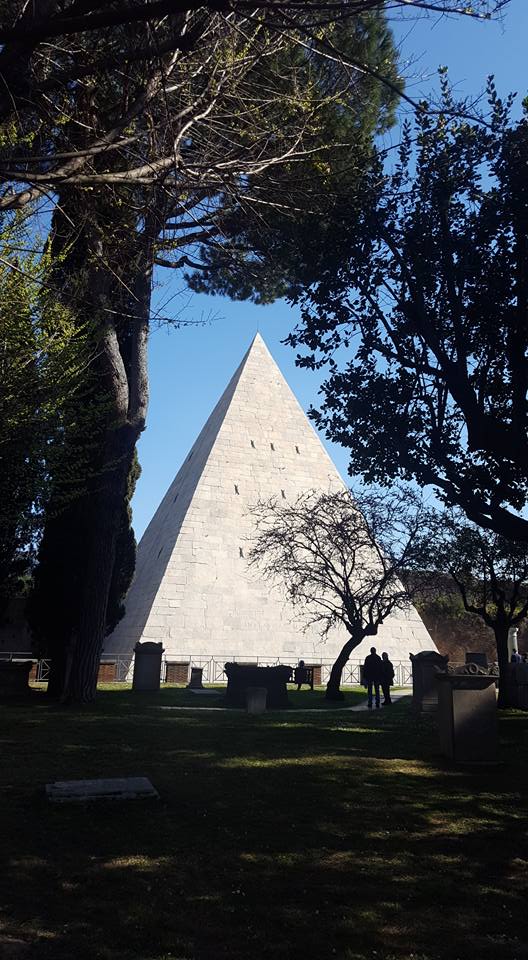
The Pyramid of Cestius
View from the Protestant Cemetery
Rome, Italy
Taken by me

The Egyptian influences in Rome have more to do with than just simply aesthetics. They are symbols of the political obsession with supremacy, conquering, and grandeur. The Ancient Romans could point to their obelisks with pride to show that they had conquered the Egyptian corner of the world along with many others. The popes then shuffled the obelisks around the city, placing them in front of churches like St. Peter’s Basilica to show that they and the Church reigned supreme. Finally, Mussolini built his own modern obelisk to draw a straight, unbroken line between his power and the might of the Roman Empire. The fact that his name still stands tall next to the Tiber River also makes a powerful statement about Italy’s (and Europe’s) slow slide back into far-right politics.

My partner and I created our deep map using Prezi. At the time, I thought it was a fairly unsophisticated way to go about it, but it was the best we could do considering neither of us had any experience with (or access to) more complicated technologies like GIS. It was reassuring to see one of the collection’s authors, Trevor M. Harris, directly mention Prezi as a useful and valid tool for the task of creating a deep map.

With this brief foray into the world of deep maps in mind, I found it fascinating to hear from the experts in the field. I found Harris’s definition of deep mapping particularly illustrative:

To him, a deep map, “interweaves physical geography and scientific analysis with biography, folklore, narrative, text, memories, emotions, stories, oral histories, and so much more to contribute to a richer, deeper mapping of space and place” (39).

This quick definition expands the possibilities of a deep map much farther than I had imagined in my undergraduate class. It also opens up so many opportunities to turn a deep mapping project into a public history project that invites the general public to share their experiences of place and space over time. A deep map could also easily be incorporated into an exhibit or live within a museum’s digital presence.

These readings left me feeling not only nostalgic about my time abroad, but also inspired by the possibilities that deep maps represent.
Whose History?: Preservation vs. Gentrification

Chapter 1 of Andrew Hurley’s book, Beyond Preservation: Using Public History to Revitalize Inner Cities, sets up his argument that historic preservation in cities is the most viable (albeit underutilized) form of urban renewal. Historic urban centers, done well, can create a booming local heritage tourism industry, bump up real estate values, rehabilitate slums, and boost the local economy.

In theory, these are undeniably noble goals, but in practice, historic revitalization efforts often disproportionately favor the white middle class over the working class and racial minorities. Historic districts often boast architectural features frozen at the point of what is considered the neighborhood’s “golden age.” More often than not, these “golden ages” were only golden for the rich, male & heterosexual WASPs of the world. Unsurprisingly, historic preservation’s underlying goal is often the same as urban renewal as a whole: reverse white flight as much as possible and steal white families and their money back from the suburbs.

Often times, these historically significant neighborhoods are “reclaimed’ from their most recent residents – often poor racial minorities. Scattered from one neighborhood as “blighted” districts are torn down and replaced with a highway, they lose yet another home through gentrification. This cycle begs the question – whose history actually matters here? Undoubtedly, historical preservation privileges the white history of cities. Thinking about it more pessimistically, historic preservation freezes the look and feel of neighborhoods at a time when white supremacy reigned supreme. Pushing out racial minorities recreates the racial and ethnic makeup of the times too.

I sincerely doubt that redevelopers have this in mind. Rather, they are simply seeking to participate in the upward mobility of the city they live and work in, create safe communities, and earn some money in the process. However, historical revitalization without critical thinking and constant concern for whose story we are telling and how our work impacts current residents does more harm than good.

Hurley’s response to this critical question is greater historical interpretation of historic districts that makes room for the dynamic and diverse nature of cities over time. Interpretation needs to be honest and deal with hard truths. Sanitized notions of a district’s history may make a quick buck, but it will fail to create a meaningful, integrated community. To avoid alienating certain residents of a community (read: recent black renters and home-owners) in favor of newcomers (read: white middle class rehabilitators), history cannot simply be ornamental like the facades of historic buildings. It needs to undergird the community, asking tough questions and ensuring every member has a connection to its past and a stake in its future.

Exploding the Traditional Museum Model: The Black Museum Movement

Back in September, I attended the American Association for State and Local History’s first ever all-virtual conference. By and large, the ongoing pandemic and greater reckoning with our nation’s systemic racism dominated the topics of conversation. Museum and history professionals came together to discuss how to play a leading role in the important work that needs to be done while working with limited resources. One panelist’s comment stuck out to me (and I heavily paraphrase): “Take a look at what African American history museums are doing. They, by necessity, have become experts at doing more with less.”

So, I was thrilled to dive into Andrea Burns’s book chronicling the origins, growth, and development of the Black museum movement, From Storefront to Monument: Tracing the Public History of the Black Museum Movement. Throughout the book, Burns demonstrates how Black museums across America have fundamentally altered how African American history is presented in museums by shattering harmful stereotypes and refocusing the narrative on the realities of Black history and culture as well as the issues facing their contemporary communities.

In the process, and in spite of the challenges posed by limited finances, less than ideal space, and white backlash, Black museums turned the museum world on its head by thinking outside of the box and creating innovative programs. In Burns’ words, they “exploded tradition-bound conceptions of what a ‘museum’ can be and the audiences a museum may serve” (159). For example, the International Afro-American Museum of Detroit (now known as the Charles H. Wright Museum of African American History) took their content outside of their four walls and into their community with their mobile exhibit van. These kinds of ideas may seem commonplace now, but in the middle of the 20th century, they were truly revolutionary.

Throughout, Burns argues that the Black museum movement would not have been possible without the ideology of the Black Power movement, particularly the belief in self-sufficiency and Black professionals’ ability to create an institution that was by them, for them. Naturally, Black museums also exhibited a level of pride in their identity as Black that fell in line with the Black Power movement as well. However, the two movements had one major verging point: Black museums recognized that they would not be able to fully buy into Black separatism. They knew that they would have to court white approval and collaboration to secure the funding and political goodwill that would allow them to operate well into the future.

After reading this book, I agree with the statement made by the presenter at this year’s AASLH conference (whose name I unfortunately cannot remember.) Black museums often serve as a model for successful community engagement and overall innovation in the museum field.

Shaking Up History in the National Park Service

This week’s “book,” Imperiled Promise: The State of History in the National Park Service (actually a report co-authored by Anne Whisnant, Marla Miller, Gary Nash, and David Thelen back in 2011), is a call to action for the National Parks Service, urging them to bring their historical and interpretative programs into alignment with emerging trends and best practices in museums, other cultural institutions, and the historical field as a whole.

Nine years ago, the co-authors found that historical initiatives were lopsided across the National Park Service’s parks and historic sites. Some locations were truly innovative, serving as what the co-authors referred to as “lamps along the path,” inspiring other sites that were lagging behind in terms of successful visitor engagement with history. Across the board, the National Park Service’s historical initiatives were struggling, underfunded and under-prioritized. Imperiled Promise was intended as a wake up call, a shock to the system that would force the NPS to refocus and reconsider what they owed to the public.

To begin, the co-authors highlighted twelve key statements that lie at the heart of all good historical research and interpretation. They included ideas like looking past the physical park boundaries to make connections to larger historical trends and movements, acknowledging that history is a never-ending process that is often contested, and committing to sharing authority with the communities that lay claim to the history that parks and historic sites tell. In most, if not all, of these key points, “park” can easily be swapped out for “museum.” These twelve points are useful for any history practitioner, serving as guideposts that ground us in the fundamentals of what we do and why we do it.

The report concludes with findings and recommendations for the future of the National Park Service’s historical and interpretative arms. They include things like stronger leadership, better communication between practitioners on the ground and parks across the country, partnerships with academia, museums, and other cultural institutions, and stronger investment in community engagement. As museum professionals, the idea of a closer working relationship with local National parks is exciting. After all, we are not competing entities. We both want to bring the public closer to history, highlight diverse perspectives, and engage with our communities. We should be partners! Co-sponsored programming could be a great way to draw in larger crowds and expand both sites’ visitor bases. Collaboration between history museums and NPS sites seem like a ripe ground for history work. I’d be curious to know why this isn’t commonplace.

This report was an interesting peek behind the curtain of the National Park Service, an institution I have no experience working in or with. I’m really interested in learning which, if any, of these recommended changes have taken place in the last nine years.

Taking Possession and Troubling Preconceptions

In the spirit of complete candor, my first gut reactions to reading Heidi Aronson Kolk’s book Taking Possession: The Politics of Memory in a St. Louis Town House were anger and defensiveness. That’s because I am exactly the type of St. Louis booster that Kolk describes in her introduction.

 I’m extraordinarily proud to be from St. Louis – I chose to move back here after living in Ohio for ten years and after four years at Saint Louis University, I chose to stay in this city for graduate school. I am fascinated by our shared history and enthused about sharing it far and wide.

In Kolk’s words, I have whole-heartedly adopted “the [Thomas Hart] Bentonesque view – that St. Louis is perennially underestimated and overlooked on a national scale, and thus has been slighted by history” (5).

I’m used to hearing the criticisms of the city and I acknowledge its shortcomings – there certainly are many. But I deeply believe in the promise of the city guided by the experiences and lessons found in its past.

So Kolk’s (completely valid and constructive) critiques of the Campbell House Museum struck something deep inside me. With every page I read, I had to remind myself to be open minded, embrace my discomfort, and dig to find where that discomfort came from.

In the end, I discovered that Kolk’s argument troubled my personal definition of historical preservation and museum work. In my mind, preserving any part of the part is a work of preservation undertaken for every St. Louisan, present and future. Taking Possession forced me to reckon with the fact that no act of preservation is harmless, done outside of any agenda. To borrow from Kolk’s title, any time we undertake historic preservation, we are taking possession of idealized aspects of our city’s past and combating change in the present that we find less than ideal.

So, in this case study, city boosters fought to save the Campbell House while plans were being made to tear down minority neighborhoods like Mill Creek Valley and “revitalize” the deteriorating urban core of St. Louis that white residents were fleeing from in droves. Restoring and displaying a “intact” relic from St. Louis’s Golden Age is an act of laying claim to St. Louis’s public memory, planting a flag in our collective past for rich whites like the ones who used to inhabit Lucas Place.

Kolk’s book revealed to me the importance of diving into the past of the institutions we serve. If we want to be more welcoming, inclusive, and connected to the landscapes we sit in, we have to know what roadblocks from our past exist. Only then can we start tearing them down and moving forward. This message also resounds in our discussions of George Washington’s Birthplace and Greenfield Village, though it only hit me with force this week. And, going back to Nina Simon and The Art of Relevance, the work we do is not about us. It’s about bringing our communities into conversation with our past in ways that are relevant to them. When we know where we have struggled and failed, we can dust ourselves back off and try again.

Henry Ford’s Greenfield Village

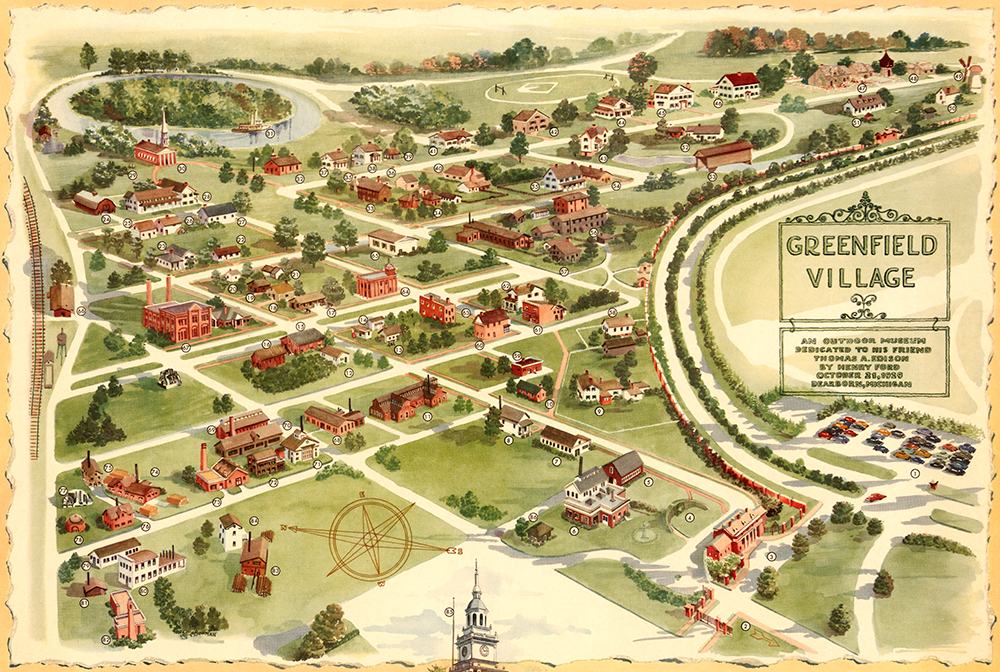
Map of Greenfield Village

Henry Ford, a man of immense means and influence, had the funds, resources, and connections to recast history and display his values and ideals. The end result was Greenfield Village – idealized Small Town, USA populated by inventors, innovators, and entrepreneurs who trumpet old-fashioned values – and its accompanying museum of technological development. The history of this institution is explored in Jessie Swigger’s book “History is Bunk”: Assembling the Past at Henry Ford’s Greenfield Village.

Ford intended to throw a wrench in “traditional” history with its focus on political maneuvering and shifting fronts in battle by highlighting everyday experiences of men in the landscape he grew up in and cherished. However, as time went on, Greenfield Village grew into an amalgam of restored and recreated buildings from various time periods and locations, divorced from their original context and occasionally warped to fit Ford’s vision. In the years after Henry Ford’s death, the increasingly professionalized staff at Greenfield Village have struggled to create a comprehensive and authentic visitor experience, deal with racially sensitive topics, and connect with communities in the urban environment of Detroit (which founder Henry Ford and local Dearborn residents so hated.)

Despite Greenfield Village’s flaws, missed opportunities, and mistakes, Swigger argues that the idea behind Greenfield Village is truly revolutionary. To her, the shops and homes that make up the Village serve as an “animated textbook” (2) that privileges physical objects over the written documents favored in “traditional” history. Throughout the book, Swigger compares Greenfield Village to similar sites like Colonial Williamsburg in Virginia and Old Sturbridge Village in Massachusetts while extoling their virtues as places where visitors can make a tangible connection to the past.

In my opinion, Greenfield Village is a much better idea in theory than in practice. Henry Ford was clearly the visionary behind the site and the supreme authority in decision making. From my reading of the book (sometimes between the lines), it seems like Ford created a mishmash of loosely connected sites that had little to no bearing on the ground they were now placed on and were robbed of any associated stories that Ford did not like. In the years after his death, staff members were forced to walk a fine line between righting the ship to transform the site into a place of meaning and honoring Ford’s memory and vision.

I see this study of Greenfield Village as a manual of what not to do for the museum and public history fields at large, urging professionals to learn from the mistakes of the past. For me, it goes back to Nina Simon’s question in The Art of Relevance (paraphrased here): If you had to pack up in the middle of the night, would your community take you in? Personally, I don’t think Dearborn and Detroit, Michigan, would. This book, for me, reinforced the importance of grounding stories locally, consulting multiple perspectives, and creating relationships with the communities you want to serve – all things Greenfield Village historically has not done.

History Haunts

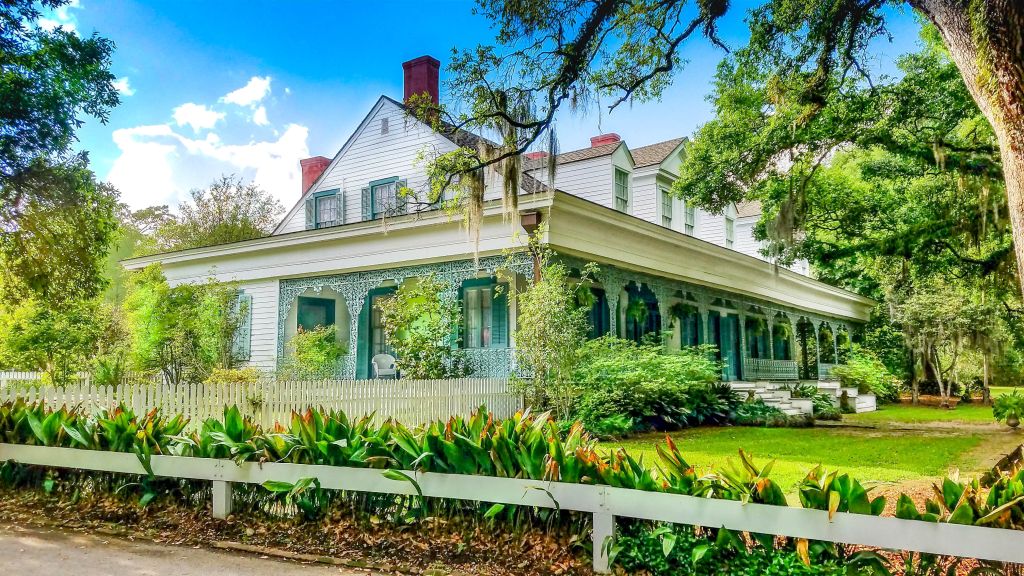
The “Haunted” Myrtles Plantation, supposedly haunted by Chloe, an abused and jilted “lover” of her enslaver and Cleo, a lynched Vodou priestess.

The past does not rest in peace. It has a funny way of coming alive to haunt us, reanimated like the living dead by the contemporary issues that plague us.

However, its safe distance from the present can lull us into a false sense of security and make us believe that complex issues are much simpler than they first appear.

When history is told as a ghost story, fun and frivolity often overtake serious contemplation and respect for the dead who were dishonored in life. Drawing in new audiences through the popular methods of dark tourism is a tricky business that walks a thin line between education and entertainment, truth and exaggeration, lightheartedness and insensitivity.

In Tales From the Haunted South: Dark Tourism and Memories of Slavery From the Civil War Era, historian Tiya Miles is our tour guide through the dark tourism industry’s growing intersection with traditional heritage tourism and public history at large. In her trek across some of the South’s most “haunted” historic homes and plantations, the real specter she found was the widespread commercialization of the historical pain and trauma of Black men and women (in an eerie parallel to antebellum enslavement, black bodies again furthered white profit).

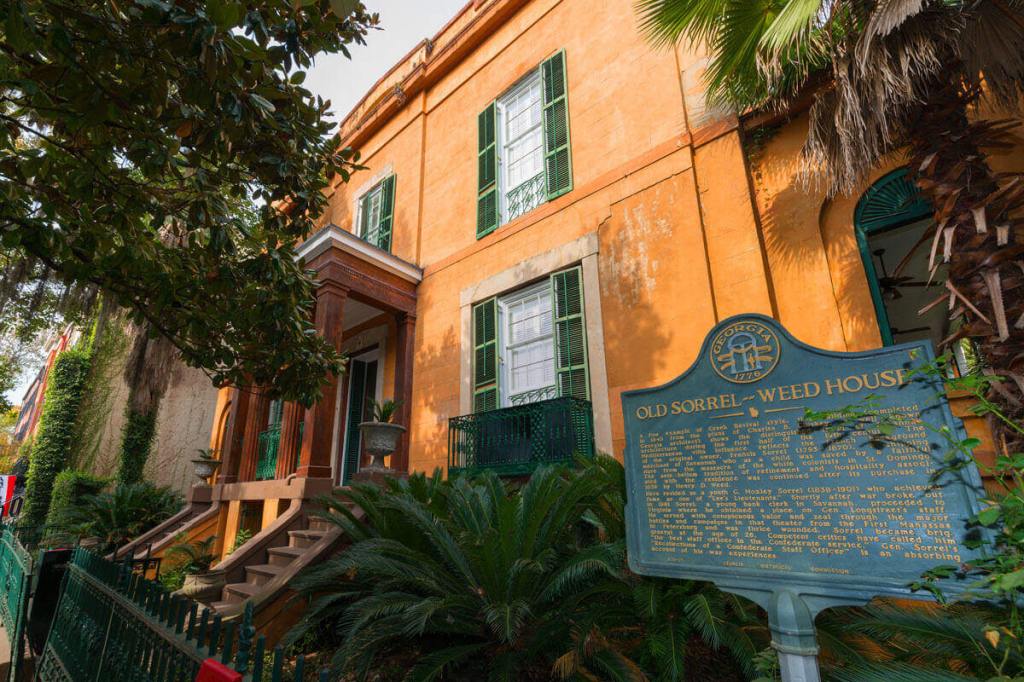
“Haunted” Sorrel-Weed House, supposedly haunted by the ghosts of Molly, a enslaved girl who “entered into an affair” with her “secretly Black” enslaver, and Matilda, Sorrel’s jilted wife.

Ghost tours entice audiences because they seem to tear through the veil separating the past and the present. In Miles’s words: “Ghosts represent history in a way that feels like magic” (125). Attendees are promised the opportunity to experience the past in an incredibly personal way – seeing a ghost is seeing “living” proof of the lives that came before our own.

In the right hands, a ghost tour could be an incredible tool for making history come to life, especially the stories that still haunt us today. However, many tour companies are much more interested in making money than in educating the public. So, where public historians see a “ghost stories” as a chance to confront contemporary social issues and change attitudes, ghost tour companies see a chance to titillate and sell another Hurricane or Voodoo doll.

Miles had me in her sway throughout the book with her insightful analysis of something many historians often brush off to the side and dismiss as harmless without thought. She thoroughly convinced me that ghost tours can (often unintentionally) be more sinister than just telling a scary story.

Focusing in on the horrors enacted on Black bodies divorced from crucial contextualization that holds the perpetuators accountable serves only to uphold the outdated mores of the antebellum era, harmful racial stereotypes, and sanitized narratives that absolve modern people from undertaking the difficult work that needs to be done toward restitution and reconciliation.

Chapter 2, set at Madame Delphine Lalaurie’s New Orleans mansion, spoke to me most because a year and a half ago, I was one of those drunk tourists on a “Vampires and Ghosts” tour in the Big Easy, Hurricane in hand. With vampires in the mix, I didn’t expect to learn much history. I was lucky to have a tour guide that acknowledged historical inaccuracies, telling us the urban legend before he divulged what actually happened.

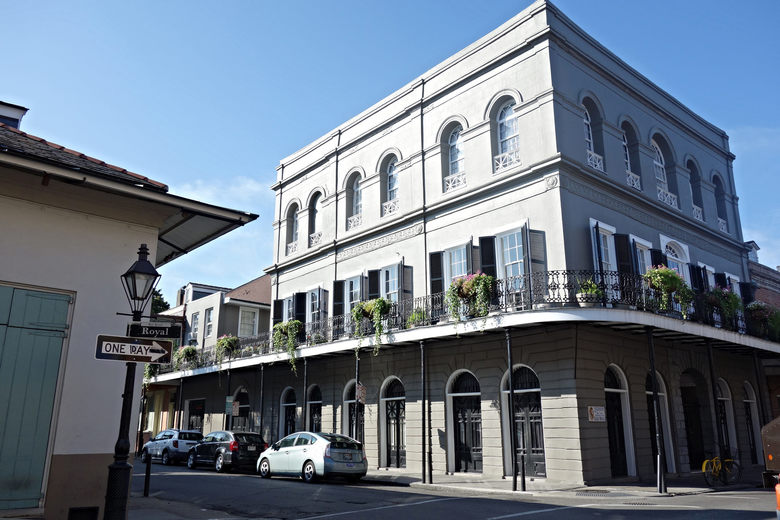
“Haunted” Madame Delphine Lalaurie Mansion , supposedly haunted by the ghosts of the enslaved men and women she tortured.

One of our stops was Madame Lalaurie’s house of horrors. I don’t recall my tour guide making any claims that New Orleans was kinder to enslaved men and women than other cities. To be completely frank, I was a few drinks in, making me less able to hang on his every word. However, his recounting of Lalaurie’s tortures painted them as extreme. Miles’s breakdown of the mythologized Lalaurie story opened my eyes to efforts to deflect blame away from white men and society as a whole. Delphine Lalaurie is painted as an abomination that did not fit in with greater New Orleans society – a Creole woman in a newly American town marked by unladylike habits, sexual deviance, and a rumored connection to (exoticized, demonized) Voduo. By highlighting this one story of the abuse of enslaved people (out of thousands of others), the city of New Orleans tries to wash its hands of the harsh realities of slavery. Depicting Francis Sorrel as a secret Black man similarly tries to divorce white Americans from the many crimes of the era.

Ghost tours aren’t going away. The industry is booming and is sure to cross the line deeper and deeper into heritage tourism territory. This shows that there is a demand – people are interested in learning about history in different ways. It’s up to us to find respectful ways to take up this call and add back in complexity and nuance.

Miles ends her book with this exhortation: “Let our ghosts be real, let our ghosts be true, let our ghosts carry on the integrity of our ancestors” (132).

The Many Faces of Relevance

In this crazy year, many institutions have struggled to grapple with the realities intersecting pandemics – COVID-19 and systemic racism. More than just figure out how to transition to working from home or launching Diversity, Equity, and Inclusion departments, museums and other cultural institutions have been challenged to meaningfully speak on these issues to the general public through the lens of their mission. In other words, this year of crisis and upheaval has called on them to be relevant.

“Relevance” is one of those words that is hard to define without using the word itself. Off the top of my head, I would define something as relevant if it speaks to the times in meaningful ways. It seems like such a simple concept, but it is of the upmost importance to any museum professional. Achieving relevance (or not) can make or break a museum. A relevant museum is a cherished cultural institution that people want to return to again and again. An irrelevant museum is an imposing building filled with old stuff that nobody cares about.

With this in mind, my off the cuff definition of relevance seems to miss the mark. Museum visionary Nina Simon’s book The Art of Relevance reveals the many different sides of relevance, things that do more than just get visitors inside the door. Relevance is what makes visitors feel comfortable even approaching the museum and compels them to come back. Or, as Simon starts off her introduction:

“Relevance is a key that unlocks meaning. It opens doors to experiences that matter to us, surprise us, and bring value into our lives.” (25)

Throughout her book, Simon compares relevance as a key that can open up the door of our institution to visitors. There is no skeleton key, no one-size-fits-all experience that will make people break down our doors. The door we currently have, the way we have always presented information to visitors, they way we’ve always welcomed them, etc., is just not working for everyone in our communities. No amount of jamming their mismatched key into the door will get them to connect. Forcing them inside to slog through ill-suited content won’t do any wonders either.

You can’t force your idea of relevance on someone else. Instead, you have to go to the source.

Relevance is an exercise in empathy – understanding what matters to your intended audience, not what matters to you.” (51)

To do this, Simon recommends that you make an effort to understand what it is like to be an outsider. Go to spaces where the communities you want to reach already meet with regularity – places they are comfortable in. Simon reminds us that if you feel nervous and uncomfortable there, then that’s how they probably feel at your museum. However, by building relationships and getting to know these communities, you can find out what their keys are. You can learn how to build doors that they will want to come through and access rooms where they can find something meaningful, something relevant to their lives.

To be honest, this idea terrifies the shy part of me. I’ve never liked just walking up to strangers and striking up a conversation. However, I know that all my research, all my writing is meaningless if people don’t want to walk through the door or don’t even know that the door exists. As public historians, we want to serve the whole public. We want to share unknown stories that speak to the experiences of today. We can scream until we’re hoarse about how relevant history is, but willpower alone won’t make it so. We need buy-in from our communities. We need people to know the door is there in the first place. And we can’t do that without reaching out.

Last week’s American Association for State and Local History conference gave me a great mantra to follow – “We have to be comfortable with being uncomfortable.”

Community engagement is not something you can cross off a check list and move on from. It’s a constant process that requires recommitment again and again. So too is relevance.

Relevance is a moving target.” (126)

You can never, ever rest on your laurels. To paraphrase from Simon’s book, as soon as you finish one project, it starts becoming irrelevant, outdated. Though it’s maddening, the work of making history relevant never ends. Something may be relevant to one person one day and irrelevant to them the next.

Simon also stresses that you can’t be relevant only when it suits you. You can’t stay silent on widespread protests against police brutality rock your community because you’re worried about losing funding. Part of being relevant is speaking out on things that matter to your community. Many believe that staying silent is staying neutral. However, that is not true. Staying silent is taking a stance. Even if you don’t intend it, your community may view your silence as standing against them.

Timeliness is not the heart of relevance, though it does behoove a museum to react to recent events in a timely matter. Relevance is being deeply invested in the needs of the communities you serve and helping to build upon their strengths. It’s about building the right doors to welcome in new segments of your community, finding the right keys, and changing the content if it doesn’t reflect the character of life outside your four walls. It turns your “dusty old stuff” into things people care about, things that bring meaning into people’s lives.

Simon sums it up nicely:

Relevance is about making it worth it. Flinging open the door to the treasure. Bringing darkness into light.” (182)

“Nothing About Us Without Us”: Decolonizing the Museum

I came into the museum profession because I’m passionate about sharing our collective history and I believe in the power of exhibitions to tell underrepresented stories and break down barriers. This path makes the best use of my skill set to, in some small way, to change the world. I may not be able to cure cancer, but I hope to be able to help someone feel represented, encourage others to open their minds, and help dispel the myth that history is boring or irrelevant.

Museums are incredibly safe spaces for me. I feel welcome walking into the door, ready to learn something new. I rarely have to worry that about how the various facets of my identity will be represented. In America, this privilege is often only afforded to straight, white, cisgender people. Many LGBTQ+, Black, Brown, and Indigenous individuals are not able to walk into a museum with the same expectations I do.

After decades or even centuries of incorrect or downright offensive depictions in museum spaces, minority populations justifiably harbor distrust and even ill-will toward museums of all stripes. Amy Lonetree’s Decolonizing Museums: Representing Native America in National and Tribal Museums advocates for placing the Native narrative back in Indigenous hands in ways that explicitly deal with the brutal history of colonialism and its lasting effects.

The three case studies she details – the Minnesota Historical Society’s collaboration with the Mill Lacs Band of Ojibwe, the National Museum of the American Indian on the National Mall, and the Ziibiwing Center of Anishinabe Culture & Lifeways –  span the spectrum of Indigenous control over museum spaces from advisory committees to complete tribal control. From her unique perspective (personally working with many of these institutions), Lonetree addresses the successes and challenges of each. Though she commends the strides made in Indigenous collaboration and representation in museum spaces, she personally defines success based on how the museum deals with the issues that plague Native American communities today, stemming from the United States’ government’s heinous attempt at genocide of Indigenous peoples.

This book was an incredible reminder that sometimes the best thing I can do as a museum professional is to get as far out of the way as possible. Even with good intentions, it is not my place to tell Indigenous stories without the contribution of Indigenous people. This sentiment is best put in the phrase “nothing about us without us.” For many museum professionals, Native stories often aren’t personal. However, for Native Americans, these stories “involve life, ancestors, culture, [their] continued existence, and future generations.” (27) This is not something to take lightly.

The most important thing non-Native museums can do is build relationships with the people whose lands we live on and work to make ourselves worthy of their trust. This is something that has been reinforced in recent sessions of the American Association of State and Local History’s conference. If you don’t know something, pick up the phone and call. If you’re not sure whether it’s appropriate to display an object or not, reach out to the experts. Ideally, if you’re dealing with Native stories, you should be including Native voices in every step of the process.

“Nothing about us without us.” We as museum professionals have a horrible track record with dealing respectfully with Indigenous populations. We still have a way to go. But the work is incredibly important – the more we center Native voices, the more we create inclusive, welcoming spaces that dispel misconceptions and stereotypes and help heal the effects of the painful past.

Memory v. Authenticity at George Washington’s Birthplace

Outline of Building X in foreground, Memorial House in background

Seth C. Bruggeman’s play by play account of the evolution of the George Washington Birthplace National Monument in Westmoreland County, Virginia is more than just an institutional history. Here, George Washington Was Born: Memory, Material Culture, and the Public History of a National Monument serves primarily as a reflection on the challenges that stem from contests over the collective memory, historical authority, and the ever-changing definition of authenticity. George Washington’s mythical status in American history makes him and the monument of his birthplace an excellent case study to dive into the tricky question of commemoration.

America’s first president only lived at his birthplace for the first three years of his life. Still, in the centuries since his birth, Americans of all ages have flocked, pilgrim-like, to the land enveloping the site where the Washington family home once stood. In addition, engaged citizens seeking to honor and preserve George Washington’s legacy have lined up to erect various commemorative landmarks on the site.

Most of the tension surrounding the interpretation of the birthplace arises from the sometimes conflicting goals and values of the two major entities involved in the site’s operation – the National Park Service (NPS) and the Wakefield National Memorial Association (Memorial Association). Where NPS historians were often most concerned with creating an authentic experience for visitors, reflecting Washington’s lived experience at the site, the ladies of the Memorial Association sought to advance their brand of patriotic collective memory and cement their version of George Washington’s heroic legacy. This specifically meant attributing Washington’s success and noble character to the well-run, healthy home of his mother Mary.

This mindset led to the creation of the Memorial House – an approximation of a typical 18th century colonial farm home placed on the site where Washington descendent George Washington Parke Custis placed the first memorial stone. Doubt cast on where the Washington’s home actually stood by a series of archaeological digs failed to sway the women of the Memorial Association. George Washington was perhaps the most celebrated figure in American history, so they wanted their Memorial House to be grand. After all, how could someone so courageous, noble, and diplomatic, come from a small, inauspiciously placed home like that built up on the newly discovered foundations of Building X?

Photo from the dedication of the George Washington Birthplace National Monument

In my opinion, Bruggeman casts a far too sympathetic eye on the Memorial Association and their commitment to defending a romanticized version of Washington’s legacy throughout this book. At every turn, they seem to have purposefully ignored any evidence that complicated the narrative they wanted to tell. For example, they built a grand and inauthentic home to suit their idealized notions of George Washington and constantly tried to bury the existence of Building X. More than just creating a monument to Washington, they also created a monument to themselves. They slapped the names of donors onto nearly every available surface in the Memorial House and named their lodge after a former president.

Bruggeman attempts to paper over these shortcomings by stating that “the Memorial Association’s desire to honor itself was, in essence, a desire to write women back into a history so long crafted by men” (84.) I’m a huge proponent of telling women’s stories and incorporating them into the popular narrative of our history, but I’m not buying this explanation. If the Association had wanted to write women back into the story of George Washington, they could have centered the entire interpretation of the site around the day-to-day activities of Mary Washington. Thinking anachronistically, they could have even discussed the lives of the Black enslaved women who nurtured Washington in his first years of life.

Instead, I think their Memorial House served more as a shrine to Washington’s upper-class would-be aristocratic upbringing. By placing their names all over the house, the ladies of the Memorial Association were cementing their place alongside Washington in the American aristocracy.

If I had any say in the future direction of the George Washington National Birthplace Monument, I would advocate for the removal of the Memorial House entirely. In light of the announcement of President Trump’s toxically nationalistic 1776 Commission, I think it’s more important than ever that we look at our founding fathers as authentically as possible. Personally, I believe that other sites, like Mount Vernon, held much more significance to Washington the man. So why not shift the focus of the site at least partially to the plantation system and enslavement?

In our current moment, it seems like visitors would be willing to engage with difficult histories. Going forward as museum professionals, it’s our job to address modern issues in meaningful ways by looking back to the challenges of the past. Bruggeman’s book provides a detailed look at the challenges that lie ahead when you pit memory against authenticity. With the future of our country at stake, these challenges are incredibly worthwhile.

The Public Origins of Public History

Most stories about the origins of public history go something like this: the brutal job market of the 1970s forced newly minted academic historians to look outside the walls of the academe. They decided to adapt their skills, shifting away from an academic audience of their peers to engage the general public at large in institutions like museums, archives, and other historical societies. This explanation, a wave of young academic historians turned public historians, only tells part of the story. In fact, the traditional telling of the origin of public history discounts decades of public history efforts done at the community level by “everyday” men and women.

In Clio’s Foot Soldiers: Twentieth-Century U.S. Social Movements and Collective Memory, Lara Kelland seeks to correct the narrative by detailing the ways that members of the social and civil rights movements of the 1960s and 70s created and shared their history, fighting to add the experiences of themselves and their ancestors into the overarching story of the United States and for equal rights in the here and now.

In particular, Kelland highlights the following movements: Civil Rights, Black Separatism, Second-Wave Feminism, Gay Liberation, and Red Power.   

All of these movements have certain endeavors in common. Overall, community organizers took up history work to build a usable past that could propel their movements forward. By creating a shared past, these committed activists intended to forge a political consciousness in their members and allies. It was only later that many community historians looked outward, hoping to make the stories of their lives and the lives of the ancestors known on a national scale. Educating the general public on the many ways that minority populations contributed to the nation in the face of adversity and discrimination would hopefully attack negative stereotypes and ideally lead to equal rights.

Though their goals were much the same, each movement took used history in unique ways to advance their cause. The Civil Rights movement, inspired by the labor movement, adapted traditional spirituals into civil rights anthems. The most famous example of this shifted “I Will Overcame” to “We Shall Overcome.” This collective memory project preserved the music of previous generations and created a songbook that brought the movement together.

Alongside voter registration drives, Freedom Schools placed the history of struggle (e.g. resistance during slavery, the Reconstruction era, etc.) in the context of the present, encouraging activists to channel the strength of their ancestors. The Black Panther Party similarly framed their work in the context of the past. But unlike the Civil Rights movement, they explicitly highlighted moments of Black physical resistance. They saw the past as “inspiration, precedence, and mandate,” (68) urging them forward.

The women’s rights and gay liberation movements both looked to the past for examples of individuals who found success, or in the case of many historical gay, lesbian, or trans men and women, simply lived their lives authentically. Both movements found it important to preserve their history – the stories of the past and the history they were making in the present – in order to make it more visible. The gay liberation movement in particular faced a historical record were gay stories were hidden in euphemism, or at worst, totally expunged. Both movements stressed history’s personal usefulness for activist and allies. Collective memory projects therefore tended to be created only for people within the community and stressed the community’s ownership over that history.

Finally, Red Power collective memory efforts often leaned heavily on the symbolic importance of place. Major protests often occurred in historically significant places, like an encampment that took place at Wounded Knee, the site of a horrific massacre. Another key example is the occupation of the island of Alcatraz. Activists compared conditions on the desolate formal penal island to the historic conditions Native Americans had been forced to endure on reservations for decades. Native American activist groups sought to use history to combat the damage done to their communities as a result of the United States government’s various forced assimilation campaigns. Highlighting stories of resistance and resilience helped give Native Americans back their agency in stories that often claimed that Native American culture had been dominated and destroyed.

While acknowledging the stumbles of community history work – things like overly rosy portrayals of significant ancestors, flashes of presentism, and narrow, non-intersectional narratives – Kelland gives credit where credit is due. The true origins of public history lie within the public, not the professional.

Design a site like this with WordPress.com
Get started